

Wedding Planners Oahu: How to Choose the Right Professional for Your Big Day
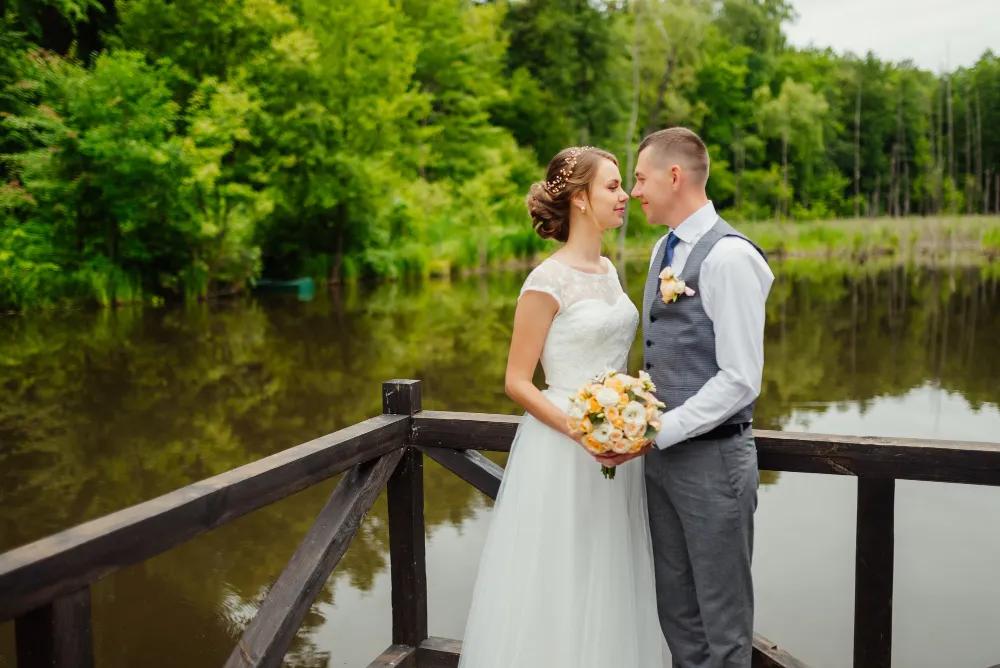
Choosing the right wedding planner is one of the most important decisions couples make when organizing a wedding in Oahu. From selecting a venue with the right atmosphere to coordinating vendors, managing the budget, and overseeing the wedding-day schedule, a planner helps turn multiple decisions into one cohesive celebration.
For couples planning from another state or country, finding experienced wedding planners Oahu has to offer can also provide valuable local insight and make the planning process more manageable.
However, not every planner offers the same services, working style, or level of involvement. Understanding what to look for can help couples select a professional who understands their priorities and can bring their wedding vision to life.

Why Local Wedding Planning Expertise Matters
Oahu offers a variety of wedding settings, including oceanfront resorts, private estates, tropical gardens, hotels, and outdoor event spaces. Each venue comes with different requirements, vendor options, and logistical considerations.
A local planner can help couples understand these differences before making major commitments. Relevant experience may include knowledge of venue policies, setup schedules, transportation requirements, outdoor conditions, and local vendor availability.
Oahu is also a major visitor destination. Hawaii's Department of Business, Economic Development & Tourism reported approximately 5.68 million visitors to Oahu in 2025, with visitor spending reaching around $9.42 billion. These figures illustrate the scale of the island's visitor economy and the importance of coordinating accommodation, transportation, and guest arrangements thoughtfully.
For destination couples, local knowledge can help connect the wedding itself with the broader experience of visiting Hawaii.
1. Define Your Wedding Vision First
Before contacting planners, take time to establish what you want your celebration to feel like.
Consider whether you envision:
An elegant oceanfront ceremony
A relaxed beach-inspired celebration
A luxury resort wedding
An intimate garden gathering
A large reception with family and friends
A multi-day destination wedding
You do not need to have every detail decided. However, having a general vision, estimated guest count, preferred date, and preliminary budget makes initial conversations more productive.
A good planning professional should listen to your ideas, ask relevant questions, and help you understand what is realistic for your priorities.
2. Understand the Different Planning Services
One of the first things to compare is the level of assistance each planner provides.
Full-Service Planning
Full-service planning typically offers support across much of the planning journey. Depending on the agreement, this may include venue research, budget development, vendor selection, design, timeline creation, guest logistics, and event execution.
It can be particularly useful for destination weddings or couples who prefer comprehensive professional support.
Partial Planning
Partial planning suits couples who have already completed some major tasks but need assistance with selected decisions or remaining arrangements.
For example, you may have booked a venue but need help managing vendors, refining the design, or coordinating the schedule.
Wedding-Day Coordination
Coordination services focus on bringing the existing plan together during the final planning stage and on the wedding day. The exact scope varies by provider and may include vendor confirmations, setup supervision, timeline management, and handling logistical questions.
Always ask when the planner begins working with you and which responsibilities are included in the quoted fee.
3. Review Portfolios and Previous Weddings
A planner's portfolio can reveal their design approach, attention to detail, and experience with different wedding styles.
Look beyond attractive photographs and consider the overall execution.
Ask yourself:
Do the weddings feel personalized?
Does the design complement each venue?
Are ceremony and reception details cohesive?
Have they worked with a similar guest count?
Do they have experience with outdoor or destination weddings?
Can they explain how they approach logistical challenges?
A beautiful portfolio is helpful, but the ability to organize and execute a complex event is equally important.
4. Evaluate Communication and Working Style
Wedding planning involves many conversations, decisions, and deadlines. Your planner should communicate clearly and establish expectations from the beginning.
During an introductory consultation, ask how frequently you will receive updates, which communication channels are used, how decisions are documented, and who will be your main contact.
It is also worth understanding how the planner handles disagreements, changing priorities, and unexpected situations.
The best working relationship is collaborative. Your planner should offer informed recommendations while respecting your preferences and budget.
5. Ask About Vendor Relationships
A wedding often requires coordination among photographers, florists, caterers, entertainment providers, rental companies, and other professionals.
Ask potential planners how they identify vendors and whether they can recommend professionals whose services match your requirements.
Useful questions include:
Do you have experience with our preferred venue?
Can you recommend vendors within our budget?
How do you manage vendor communication?
Do you coordinate contracts and schedules?
Are there referral fees or other financial arrangements we should understand?
Transparent answers help you evaluate the planner's process and determine whether their vendor network fits your needs.
6. Understand the Fee Structure
Wedding planning fees vary according to the scope of work, complexity, experience, and event requirements.
Before signing an agreement, clarify:
What the planning fee includes
Whether services are charged at a flat rate or another structure
The payment schedule
Additional charges for travel or extended hours
Whether rehearsal coordination is included
How changes in guest count or event scope affect the fee
The cancellation and postponement policies
Ask for a written proposal that clearly outlines responsibilities and exclusions. This makes it easier to compare planners on the same basis rather than selecting one solely because the initial quote appears lower.
7. Consider the Guest Experience
A successful Oahu wedding should work well for guests as well as for the couple.
For destination weddings, consider how guests will travel between their accommodations and event locations, where they can find schedule information, and whether they need assistance understanding transportation arrangements.
A planner may help coordinate practical details such as arrival times, shuttle schedules, welcome events, seating plans, and communication materials, depending on the services selected.
Guest comfort also matters at outdoor weddings. Shade, hydration, accessible routes, seating, and realistic event timing can all influence how guests experience the celebration.
8. Discuss Weather and Backup Planning
Outdoor ceremonies and receptions are appealing in Oahu, but couples should not assume that conditions will remain ideal throughout the event.
Ask prospective planners how they approach weather contingencies and what they recommend for your chosen venue.
A useful backup plan should clarify the alternative location, decision-making process, vendor responsibilities, and any additional costs.
It should also consider wind, sun exposure, equipment protection, and guest comfort.
Planning these details early can prevent stressful last-minute decisions.
9. Evaluate Planning Tools and Organization
Professional planning involves tracking numerous details, from vendor payments to design approvals and final guest numbers.
Ask how the planner keeps information organized. Depending on their workflow, they may use planning schedules, shared documents, budget trackers, checklists, vendor contact sheets, and detailed event timelines.
You should understand where to find important information and how decisions or changes will be recorded.
A clear process makes it easier to monitor progress and helps reduce confusion as the wedding approaches.
10. Choose a Planner Who Understands Your Priorities
The right planner is not necessarily the one with the most elaborate portfolio or the largest vendor network.
Instead, look for someone whose experience, communication style, services, and approach fit your specific needs.
A couple planning an intimate ceremony may need a different type of support from a couple organizing a multi-day destination celebration with hundreds of guests.
Before making a decision, compare the proposals, review the agreements, and consider whether each professional has demonstrated an understanding of your vision.
Questions to Ask Before Hiring a Wedding Planner
Use these questions during your consultations:
What planning services are included in your proposal?
How many weddings have you planned with similar requirements?
Have you worked at our preferred venue?
How do you approach budget management?
How do you recommend and coordinate vendors?
Who will be present on the wedding day?
How do you manage unexpected changes?
What is your communication process?
What additional fees might apply?
Can you provide references or examples of relevant work?
The answers can help you compare professionals more confidently.
Frequently Asked Questions
How far in advance should I book a wedding planner in Oahu?
For destination weddings, starting approximately 12–18 months ahead can provide more flexibility with venues and vendors. The ideal timing depends on the wedding date, size, and complexity.
Are wedding planners in Oahu worth the investment?
A planner can provide value through organization, vendor coordination, budget guidance, and logistical management. Whether the investment is worthwhile depends on your needs and the level of service you choose.
What is the difference between a wedding planner and a venue coordinator?
A venue coordinator typically focuses on the venue's operations and responsibilities. A wedding planner generally oversees broader elements of the couple's celebration, which may include external vendors, design, guest logistics, and the overall timeline.
Can an Oahu wedding planner help couples who live elsewhere?
Yes. Depending on their services, planners can coordinate virtual meetings, communicate with local vendors, organize documentation, and help manage decisions remotely.
What should I look for in a wedding planner's contract?
Review the scope of services, payment terms, cancellation and postponement policies, additional fees, staffing arrangements, and responsibilities on the wedding day.
Find the Right Planning Partner for Your Oahu Wedding
Selecting a wedding planner is about finding a professional who can combine organization, creativity, communication, and practical problem-solving. By comparing services, reviewing experience, understanding fees, and discussing expectations, couples can make a more informed decision.
Lifestyle Maven Events specializes in personalized wedding and event planning, with an emphasis on sophisticated design, thoughtful details, and seamless coordination.
Couples researching wedding planners Oahu can explore the Lifestyle Maven Events services page to learn more about planning support for weddings and celebrations.
With the right professional partnership, your Oahu wedding can reflect your vision while providing a smooth and memorable experience for you and your guests.